M SQUARED #12
Written By: Teagan Strachen

Lying deep under the surface as a response to the global uncertainty that surrounds our futures, marketers have tapped into nostalgia. In a bid to make reality feel a little less confronting, nostalgia has been used as a way to combat looming ambiguity and create an emotional shortcut to escape digitisation, economic pressures, and to retreat back to childhood.
The nostalgia-driven shift has prompted marketers to curate campaigns that evoke that sense of childhood, whether that be taking us back to 2016 or retreating right back to Y2K. These campaigns help remind us of the times when we felt connected and stable, whilst simultaneously but ironically creating a sense of connectivity as the world interacts online. Once again, it becomes a beckoning emotional escape from reality.
The Case Study: Starbucks
The Unicorn Frappuccino is an aesthetically bold bundle of magic originally released as a limited-edition item in April 2017. The viral beverage is a sweet blend of mango or strawberry acai and a coconut milk cream base.
Garnished with a blue drizzle, a swirl of whipped cream, and a dust of pink and blue powdered sprinkles, the eye-catching frozen refreshment is an unexpected blast to the past dating back nearly 10 years.
The Unicorn Frappe made its surprise return at Coachella earlier this year and the response was huge. With long lines outside the Coachella pop-up coffeehouse and a wave of international social media hype and reviews, it was announced in July that the drink would be landing in Australia.
Mixed Reviews
From August 15th to August 17th, intrigued Australians flocked to their local Starbucks to experience the nostalgia of the Unicorn Frappuccino.
Much like the American crowd, the masses were divided. Some welcomed the fun, whilst others were quickly retreating back to their local coffee shops in hopes of something a little more… usual?
On one side buyers were welcoming of the sweet and sour burst, complemented by its aesthetic colours, and mangoes and crème tarty twist. On the other hand, others were taken aback by its aggressive flavour suggesting it was not what they remembered. There were also the neutrals who didn’t love or hate it but wouldn’t run to get it again if it became a permanent item.
The consensus unveils that nostalgia can drive engagement even when the product itself divides opinion, proving that a throwback to the past is an effective modern-day marketing technique that gets consumers buzzing, even if they prefer their local barristers.
Nostalgia is Everywhere
Just in case you didn’t notice it, here are a few examples of brands tapping into the nostalgia-driving marketing technique:
· Allen’s Retro Party Mix (remember Strawberries & Cream? Cola Bottles? Teeth?)
· Gap X Hailey Bieber – think low rise jeans and a retro CD player
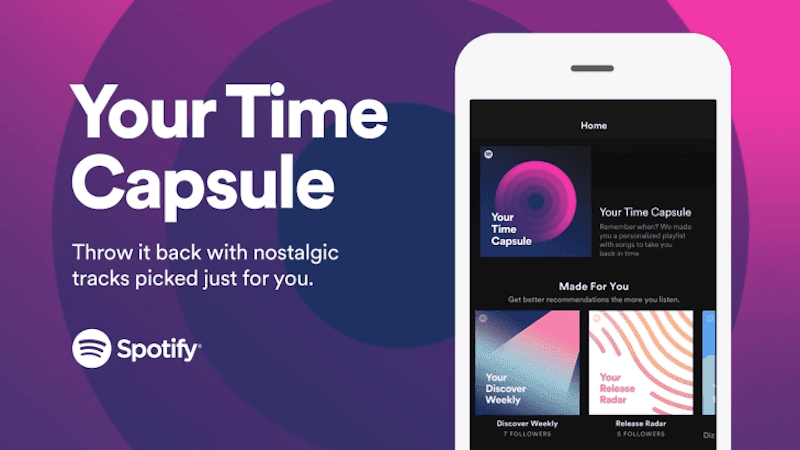
· Spotify and the nostalgic playlist curation
· Pizza Hut Throwback Menu
So it’s clear, sometimes one of the easiest ways to sell the future is to remind consumers of their past.