M SQUARED #5
Written By: Teagan Strachen

In a digital landscape fueled by social media’s growing omnipresence, and a generation living chronically online, brands have shifted strategy away from unsolicited, ‘in-your-face’ advertising to outsourced influencer-led content.
Brands are over-prioritising global visibility and are overestimating the ability of creator-led content to retain loyal, long-term customers.
Do I actually want to be an influencer? No, but would I gain access to events many can only dream of being invited to? Most likely… yes!
Welcome to the era of creator-led marketing
Brands have quietly shifted who they consider valuable with 87.49% of brands reporting an increase in influencer budgeting in 2026 (Influencer Marketing Hub). This year we are seeing now more than ever that companies, global festivals and sporting tournaments are turning to our favourite creators and celebrities to draw our attention.
After years of relying on perfectly curated imagery, overplayed ads and disingenuous reviews, consumer burnout has forced a new creator-led dynamic in hopes of utilising the trust, alignment and engagement of fans with top creators, translating influencer communities into retained customers.
Brands aren’t irrational; they’re just optimising for newly established consumer habits. The creator economy (no matter nano, micro, macro or mega) has the ability to generate thousands of loyal customers, allowing brands to bypass consumer scepticism and leverage creators to substantiate authenticity.
Credit: The Zoe Report
Have brands gone too far?
Just recently, influencers filled our feeds with Coachella brand trips, VIP tickets and exclusive parties showcasing the glamourous, fun, yearly ritual. With headlining acts such as Justin Bieber, Sabrina Carpenter and KATSEYE, FOMO was rampant and if I was a creator, I’d want to be there too.
Brands treat Coachella as one big marketing event, flying creators out to promote their products, often paying top dollar to secure sponsorship, investing in VIP exclusivities and top-tier accommodation, but returning festivalgoers are beginning to pay the price.
Loyal fans are now spending $19 AUD on a slice of pepperoni pizza, with many having to pay north of one thousand for general admission, hence the push to have creators at the forefront of brand marketing is beginning to reveal flaws.
The creator culture surrounding Coachella came under scrutiny this year, being labelled as the ‘content Olympics’, with influencers rushing to secure spots at brand events avoiding hefty prices in exchange for brand promotion.
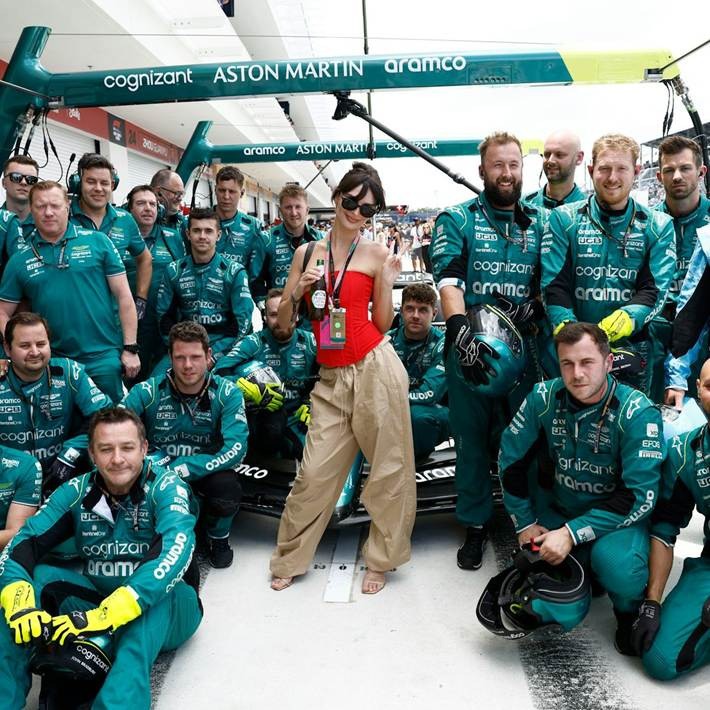
However this isn’t just Coachella, Formula One and Fashion Week have become subject to scrutiny for the prioritisation of celebrities and influencers. Fans and drivers of the F1 paddock have expressed disappointment at the new social media centric era, wondering why creators with no connection to the sport are suddenly front and centre of team media pages. The same is reflected in Fashion Week with buyers, designers, photographers and journalists being pushed to back seats in favour of influencers.
This new strategy has come at the expense of loyal fans, enthusiasts and professionals replacing the core audiences these established industries were originally built around.
It’s not all black and white
Influencers have the ability to generate views, likes, attention and headlines, with brands like Gymshark and events like Coachella turning heads due to creators posting content. A reliance on influencer-led strategy is understandable in the digital age, and reports suggest that there was a $5.20 return on investment for every $1 invested in these creators (influencer Marketing Hub).
However, long term retention is hard to attribute (at least for now), begging the question as to why brands have gone all-in with the new strategy.
Creator-led content has created a tension in the marketing space, possibly doing the opposite of what brands intended for it to do. With a growing list of cons for fans, authenticity eroding, and short-term reach triumphing long-term retention…
The question is, are brands mistaking visibility for customer growth?
Looking to the future
Undeniably creator-driven marketing is the way of the future, but navigating its complexity is becoming increasingly challenging for multinational corporations and events. With influencers now being used as a marketing tool, how do we prevent fatigue in the creator economy?
Some brands are taking a new approach, building their companies alongside their communities rather than relying on influencers to promote their products.
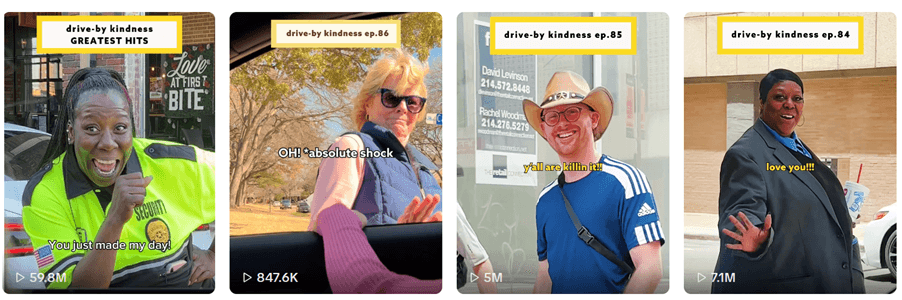
Take La La Land Café for example, the American-based, mission-driven brand going viral on social media for their kindness concept, spread throughout their channels. La La Land Café don’t have to rely on external creators to promote their content, rather they are building their own community through social media. Their ‘drive-by kindness’ miniseries on TikTok amass millions of views and they are now expanding across the US.
Whilst events, and sporting tournaments may not be able to replicate this approach exactly, we can definitely forecast another shift in brand strategy. For marketers, those who overcome this grey area will likely find balance between influencer-led campaigns, whilst shifting towards a strategy that relies more on community building.