M SQUARED #8
Written By: Teagan Strachen
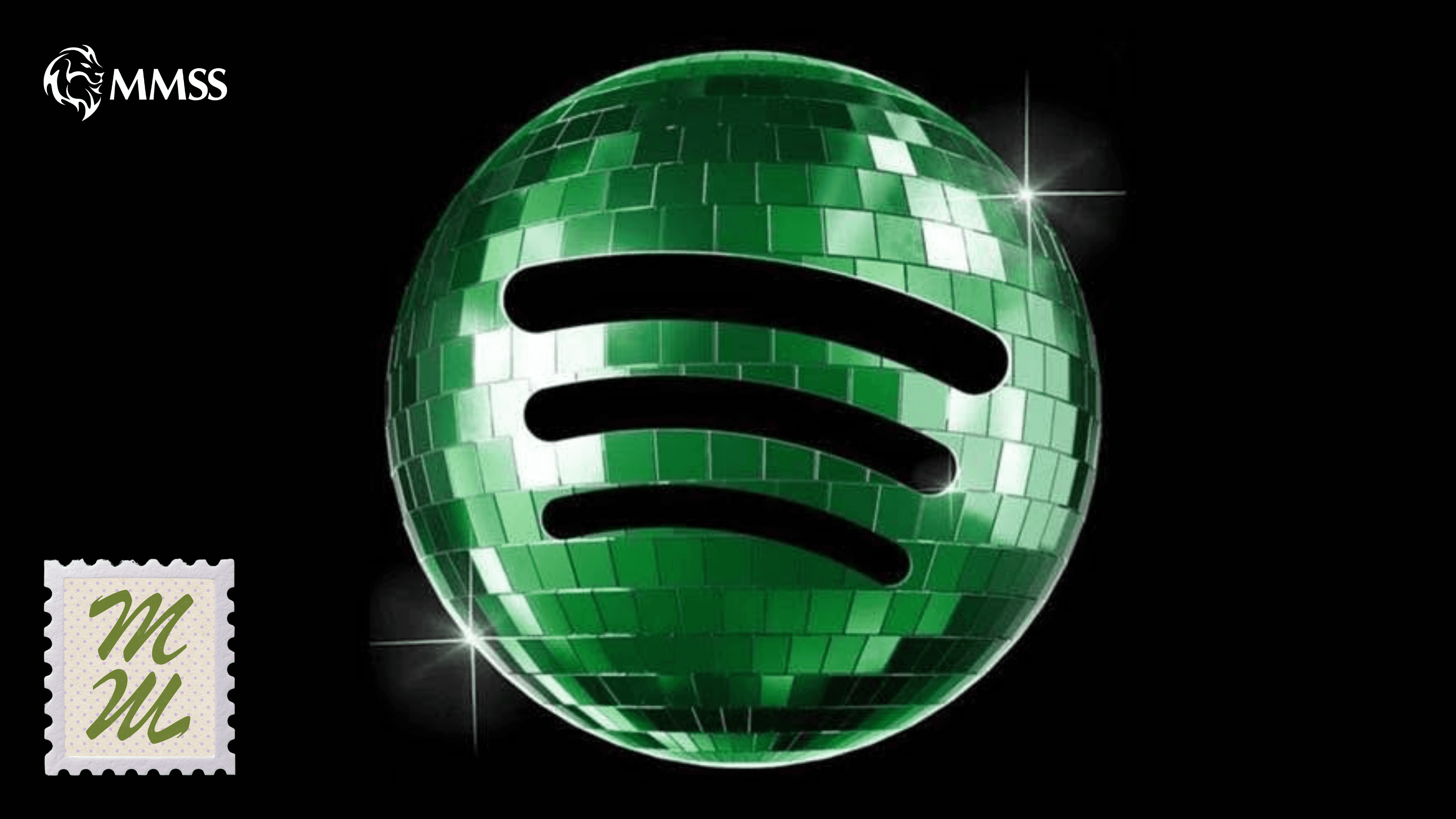
“Alright, we know glitter isn’t for everyone” – Spotify
A few weeks ago, Spotify made a bold move: replace the iconic, green, sound-wave logo with a shiny, innovative disco-ball revamp. However, fans quickly became harshly divided on the new aesthetic. Whilst some welcomed the fresh look, others expressed disdain for the unfamiliar design. So… why take the risk of change? And is it here to stay?
The rationale behind the campaign
After its establishment in April 2006, Spotify has undeniably become one of the largest music streaming platforms in the world. Often compared to other popular platforms such as Apple, Amazon and YouTube Music, Spotify has established itself as a pinnacle platform in the music industry. Its presence is so familiar it’s become a habitual impulse to press the little green icon when wanting to satisfy your craving for music, listen to your favourite podcast or find your guilty pleasure playlist. But what happens when you open your phone and something seems… different?
For their major 20th anniversary marketing campaign, Spotify introduced new in-app features to celebrate an impressive twenty-year contribution to the music scene. The milestone theme was titled “It’s Your Party of the Year(s)” and was paired with a new mobile-only-in-app experience called ‘Spotify 20: Your Party of the Years(s)’. The campaign was created to offer users nostalgic insight into their listening history over their subscription timeline, acting as a lifetime's worth equivalent to ‘Spotify Wrapped’. This feature included a recap of:
1. Your First Day on Spotify (songs listened to on the first day of platform usage)
2. Total Number of Unique Songs You Listened To (total number of songs listened to since joining)
3. Your First Streamed Songs
4. Your All-Time Most-Streamed Artist
All of your data history could be summarised into ‘share cards’ allowing you to send them to a friend, or to post and share them on social media.
But what made people hate it?
Raged by the unusually odd design many voiced their opinions on social media about the new icon labelling it a ‘hideous’ and ‘unnecessary’ change despite it representing a monumental milestone for the brand. Many complained that the small squares making up the disco ball looked blurry and pixelated when viewed as an icon on their home screens.
Users continued to criticise the branding decision, arguing that Spotify failed to truly meet the mark of ‘nostalgia’ and ‘disruption’ attempted in the new campaign. The new icon was labelled as a tacky, try-hard attempt at disruption that replicated that of an AI-made creation.
However, the Spotify communications head quickly took to ‘X’, using the passionate, negative energy against the new face to acknowledge the loyalty of Spotify fans, and highlight Spotify’s undeniable relevance in the social scene.
“Nobody gets passionately annoyed about something they’re indifferent to”.
Meaning that nobody gets annoyed about something they don’t care about.
No, we’re probably never going to see it again, but it was worth it
Don’t worry, it has been officially confirmed by the Spotify team that the novel shiny disco ball will not be returning to your home screens. So, if, or considering switching to Apple music to avoid the betrayal of the new disco logo stop, because you’re in luck.
After overwhelming backlash from users, Spotify made the wise decision to revert back to the original Spotify-green logo we all know and love, labelling the anniversary icon a temporary “party gear” design. In a statement on ‘X’ they said:
“Alright, we know glitter is not for everyone. Our temp glow up ends soon, Your regularly scheduled Spotify icon returns next week.”
However, as all good marketers know, any publicity is good publicity and despite the divided opinions, it was still an internet talking point in which everyone got involved.
So, despite some negative feedback, Spotify was still able to showcase their dominance in the world of streaming platforms, and the staggering omnipresence they have created over the past twenty years.